

Introduction
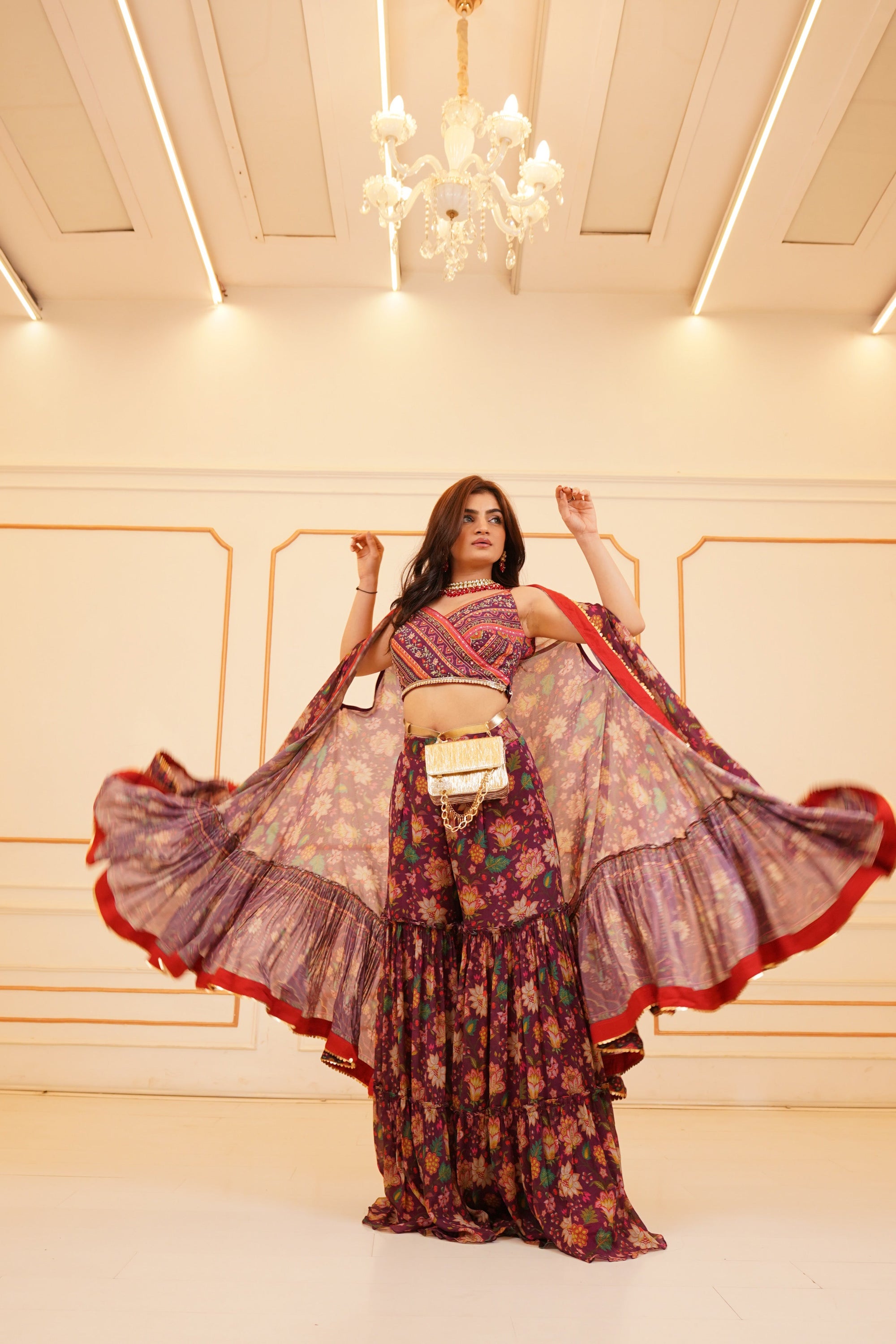
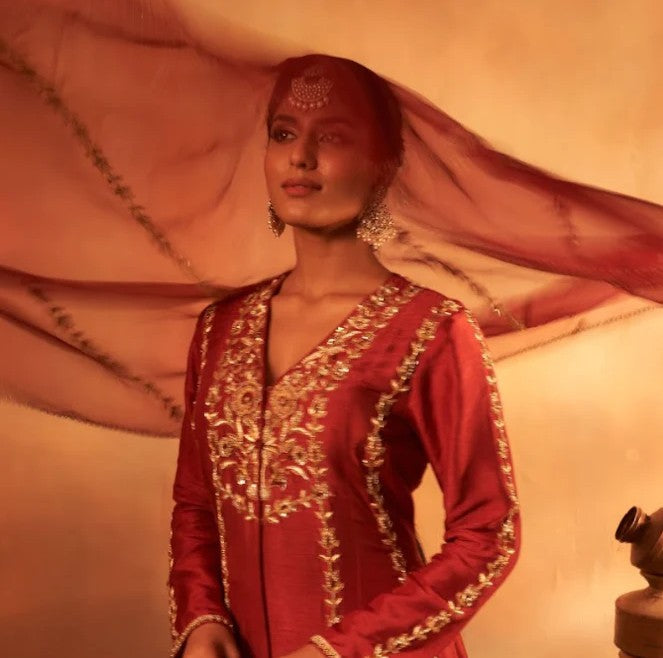
So what do you exactly mean by an Indo-western dress? Well, Call it Indo-western or fusion wear, the name itself speaks that it is a blend of Indian and Western fashion. You can easily find various appealing styles, designs, detailing, and features in these dresses. If you want to stick to traditional roots but also reflect a contemporary style, an Indo-Western outfit is the perfect choice.
Indian fashion has always gained attraction from various Western designers in terms of sophistication and colour choice. This eventually resulted in a variety of dresses that had Indian and Western influences. Let's dig a little deeper into the characteristics, different styles, and fabrics of Indian-western dress.
Characteristics of Indian-western dress
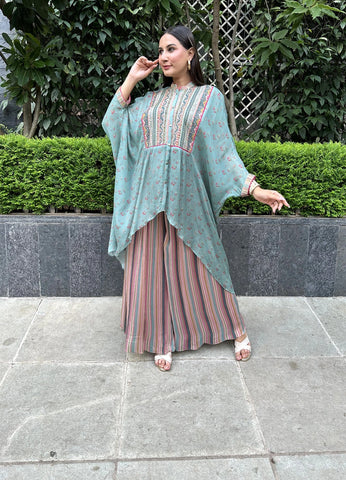
The characteristics of Indian-western dress include many aspects like silhouettes, cuts, embroidery, and tailoring. You will see there is a blend of traditional and Western elements that contribute towards a fusional design. Moreover, their versatile nature makes the Indian-western dresses a perfect fit for various occasions right from casual to formal wear. Here are some of the elements of Indo-Western dress:
Style, cut, and silhouettes
You will often find a combination of traditional dresses with Western silhouettes. Dresses like Anarkali, lehenga, kurtis, and sarees have cuts and silhouettes like the A-line dresses, pencil skirts, and structured tops. These new styles are mostly preferred by many women which indicates their craze in fashion trends.
Embroidery, embellishments and tailoring
Traditional embroidery techniques like zari, zardozi, chikankari, mirror work, and gota patti are often used in Indo-western dresses. Additionally, they are combined with Western embellishments like beads, sequins, appliqués, and pearls for an effective look. This combination adds glamour, sophistication, and elegance to your dress. As for the tailoring, western techniques like pleats, darting, and seam construction add a contemporary look to your dress.
Adaptability for different Occasions
Right from casual outings to formal events, you can effortlessly carry the look of an Indo-western dress while maintaining your comfort.
- Wear them as your casual outfit for work and social events while maintaining your comfort and style.
- Indo-western dresses are a great choice for festivities like Diwali, Navratri, Eid, and more.
- Rock your Night events and parties look with eye-catching and trendy Indo-western styles.
- Go with Indo-western sarees, anarkalis with Western cuts, and fusional gowns for formal events.
What Comes Under Indo-Western Dress
You will find a lot of glamorous and trendy options for Indo-western dresses such as:
Kurtis paired with jeans and Palazzo pants
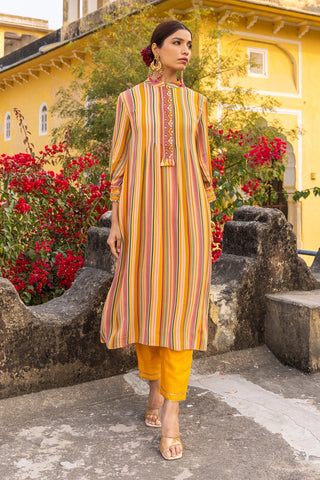
Pair a beautiful kurti with traditional work, prints, and embroidery with Western jeans or palazzo pants. This look is best suitable for casual outings and social meetings.
Saree with modern draping styles

Saree which is a traditional attire can get a contemporary look with modern draping styles. Modern drapes can add asymmetrical pleats creating a unique silhouette for your saree.
Gowns and dresses

They are a great choice for formal occasions. Gowns and dresses with traditional embroidery and Western cuts are a great combination. Additional elements like a flared skirt, off-the-shoulder neckline along with a fitted bodice will enhance the overall look.
Lehenga with structured top or shirts
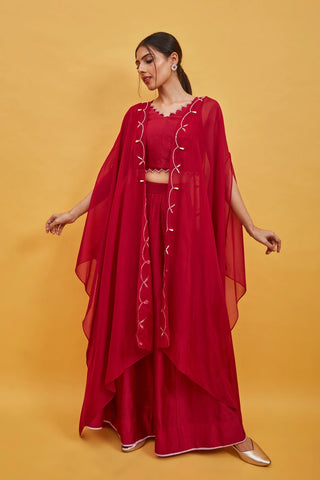
A beautiful lehenga skirt that has traditional embroidery and embellishments will add an Indian touch. Similarly, pairing it with a structured top, silk or satin shirt or a blazer will provide a modern look. This makes it a great Indo-Western outfit.
Fabrics Used for Indo-Western Dress
Which fabric is used for Indo-Western dress can never be a confusing question as there are many options. Selecting the fabric plays an essential part in providing a variety of textures and finishing while opting for an Indo-Western outfit. Every different choice of fabric will add a unique aesthetic to your dress.
Silk
Silk is a fabric that has a smooth texture and provides a rich sheen to the outfit. Furthermore, it will drape gracefully around your body making it a great option for indo-western sarees and gowns.
Cotton
If you want a comfortable fabric for warm weather, opt for cotton as it is breathable and keeps you cool. Additionally, it is easy to maintain and works great for Indo-Western kurtis, tops, and tunics.
Georgette
Georgette is a perfect fabric for sarees and gowns due to its fluidity, soft drape, and sheerness. Traditional and contemporary embroidery and embellishments when added to the fabric will radiate an ethereal look.
Velvet
Velvet is a luxurious fabric radiating warmth and sophistication that works great for indo-western gowns, jackets, and lehengas. Your velvet outfit can have traditional embroidery to create an excellent fusion of cultures.
Brocade
Brocade is a woven fabric with intricate patterns that can be made of silk, cotton, linen, rayon, and other synthetic fabrics. It adds texture and regal elegance to your outfit.
Chiffon
Chiffon works great for indo-western sarees, skirts, and layered dresses as the fabric is delicate and lightweight. Any outfit for evening wear or formal occasions will radiate a graceful look with chiffon.
Final thoughts
So what is an Indo-Western dress? The perfect explanation is a combination of Indian and Western elements and styles. Right from cuts, silhouettes, embroidery, and tailoring to a variety of fabrics and styles both Indian and Western influence counts. Additionally, they can be a perfect pick for both casual and formal events if you want to look traditional yet radiate modernity.
FAQs on Indo-Western Dresses
Q1. What is the Indo Western meaning in the context of fashion?
Indo Western meaning in fashion refers to a style that seamlessly blends Indian traditional elements such as embroidery, draping, and ethnic silhouettes with Western design sensibilities like structured cuts, tailored fits, and contemporary silhouettes. It is not simply mixing two outfits together but rather creating a cohesive fusion where both influences complement each other to produce a modern yet culturally rooted look.
Q2. What makes an outfit qualify as an Indo Western ethnic dress?
An Indo Western ethnic dress typically features traditional Indian craft elements such as zari, zardozi, chikankari, or mirror work applied to garments that follow Western design structures like A-line cuts, off-shoulder necklines, or structured bodices. The key qualifier is that both cultural identities must be visibly present, not just hinted at. A plain kurti with jeans barely qualifies, but an embroidered lehenga paired with a tailored blazer is a strong example.
Q3. How is Indo Western different from simply wearing western and traditional dress together?
Wearing western and traditional dress together means pairing unaltered garments from both styles for example, a saree with sneakers. Indo Western, by contrast, involves actual design-level fusion where the garment itself is constructed with both influences baked in, such as a gown with a Western flared skirt and an Indian hand-embroidered bodice. The difference lies in intentional design integration versus casual mix-and-match dressing.
Q4. What is the Indo Western dress code for formal occasions?
The Indo Western dress code for formal events generally leans toward refined and structured pieces. Anarkalis with Western-style necklines, fusion gowns featuring traditional embroidery, or a silk lehenga skirt paired with a structured satin blazer are all appropriate. The key is to maintain a polished silhouette while ensuring the Indian craft element whether embroidery, fabric, or drape remains prominent enough to uphold the fusion identity of the outfit.
Q5. Can Indo Western outfits be worn as everyday casual wear?
Absolutely. Indo Western traditional dress does not have to be reserved for events or festivities. Lightweight options like a printed cotton kurti paired with palazzo pants, or a simple chikankari top worn over straight-cut jeans, make for comfortable and stylish everyday wear. The breathability of fabrics like cotton and georgette also makes casual Indo Western dressing practical for warm climates like India's.
Q6. Which fabrics are best suited for creating an Indo Western traditional dress?
The choice of fabric depends heavily on the occasion and silhouette. Silk and velvet work best for formal or festive Indo Western traditional dress as they carry embroidery well and add richness. Georgette and chiffon are ideal for flowy sarees and layered gowns. For casual daily wear, cotton remains the most practical choice as it is breathable and easy to maintain, while brocade adds texture and a regal feel to structured garments.
Q7. What role does embroidery play in defining Indo Western ethnic dress?
Embroidery is arguably the most defining feature of Indo Western ethnic dress. Techniques like gota patti, zardozi, and mirror work are what give an otherwise Western silhouette its Indian identity. Without this craft element, a flared gown remains just a gown. The fusion happens when these age-old embroidery traditions are applied to contemporary cuts and shapes, creating garments that are simultaneously rooted in heritage and relevant to modern fashion.
Q8. What are some popular style combinations that fall under the Indo Western dress category?
Some widely loved combinations within the Indo Western dress category include kurtis paired with jeans or palazzo pants, sarees styled with modern asymmetrical drapes, embroidered lehengas worn with silk shirts or structured tops, and fusion gowns that combine a fitted Western bodice with a flared Indian-embroidered skirt. Each of these combinations preserves the essence of traditional Indian design while presenting it through a contemporary lens.
Q9. Is there a specific Indo Western dress code for festive occasions like Diwali or Navratri?
For festive occasions, the Indo Western dress code tends to favour vibrant colours, rich embellishments, and celebratory silhouettes. A heavily embroidered Anarkali with a structured belt, a lehenga skirt paired with an off-shoulder blouse, or a velvet kurta worn with cigarette pants are all fitting festive choices. The emphasis is on looking festive and traditional while the Western structural elements keep the outfit feeling fresh and fashion-forward.
Q10. How has the concept of western and traditional dress fusion evolved into mainstream Indian fashion?
The evolution of western and traditional dress fusion into mainstream fashion has been gradual and influenced by global exposure, Bollywood, and the rise of contemporary Indian designers. Western designers were historically drawn to Indian aesthetics for their sophistication, intricate handwork, and colour richness. Over time, this cross-cultural admiration was channelled into deliberate design collaboration, giving rise to the Indo Western category as a recognized and celebrated segment of Indian fashion now widely available across price points and occasions.